Why Teaching Teenagers to Cook is One of the Best Life Skills You Can Give Them
Why Teaching Teenagers to Cook is One of the Best Life Skills You Can Give Them
Discover why teaching teenagers to cook is essential for their independence, health and confidence. Build life skills together in the kitchen.
Teaching Teenagers to Cook is One of the Best Life Skills
When we think about essential life skills our teenagers need to thrive in adulthood, we often focus on practical abilities like managing money, doing laundry, or learning to drive. However, there’s one fundamental skill that deserves equal attention and can transform their relationship with food, health, and independence for life: cooking.
Why teaching teenagers to cook is one of the best life skills you can give them goes far beyond simply ensuring they won’t survive solely on takeaways when they leave home. It’s about empowering them with confidence, creativity, and practical knowledge that will serve them throughout their adult lives. At Mini Food Explorers, we understand the profound impact that cooking skills can have on young people’s development, and we’re passionate about helping families nurture these abilities.
In our fast-paced digital world, where convenience often trumps nutrition and families struggle to find meaningful time together, cooking offers a wonderful opportunity to slow down, connect, and learn valuable life lessons. Let’s explore why teaching your teenager to cook is one of the most valuable investments you can make in their future wellbeing and independence.
1. Encouraging Healthier Eating Habits for Life
When teenagers roll up their sleeves and get hands-on in the kitchen, something remarkable happens – they become genuinely interested in what goes into their bodies. This natural curiosity about ingredients and cooking processes leads to more mindful eating habits that can last a lifetime.
Understanding Nutrition Through Practice
Cooking provides the perfect context for teenagers to learn about nutrition without feeling like they’re receiving a lecture. As they prepare meals, they naturally begin to understand how different ingredients contribute to balanced nutrition. They’ll start recognising the difference between whole foods and processed alternatives, learning to read ingredient labels, and understanding portion sizes in a practical, hands-on way.
Exploring New Ingredients and Flavours
Teenagers who cook are more adventurous eaters. When they’re involved in selecting and preparing ingredients, they’re far more likely to try new foods and expand their palate. This exploration often leads to a greater appreciation for fresh, seasonal produce and an understanding of how simple ingredients can create delicious, nutritious meals.
Building Meal Planning Skills
Learning to cook naturally introduces teenagers to meal planning concepts. They begin to understand how to create balanced meals that include vegetables, proteins, and wholesome carbohydrates. This knowledge becomes invaluable when they’re living independently and need to make their own food choices.
Creating Positive Food Relationships
Perhaps most importantly, cooking helps teenagers develop a healthy relationship with food. Rather than viewing meals as something that simply appears or comes from a packet, they begin to understand the care, thought, and creativity that goes into nourishing themselves and others.
2. Fostering Independence and Building Confidence
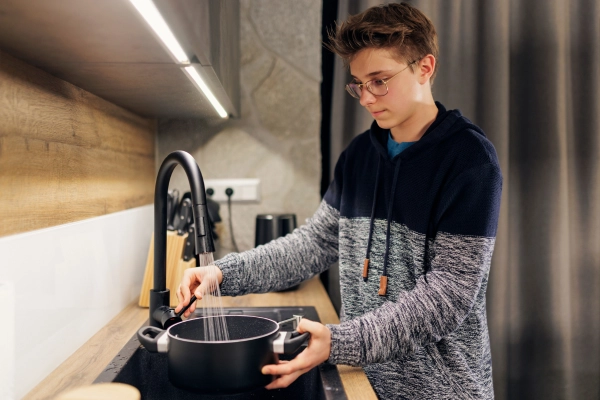
As children transition into their teenage years, they naturally crave freedom and responsibility. Teaching them to cook provides an excellent opportunity to nurture this growing independence whilst building practical life skills.
Taking Control of Personal Nutrition
When teenagers can cook for themselves, they gain control over their own nutrition and meal choices. This autonomy is empowering and helps build confidence in their ability to care for themselves. Whether it’s preparing a quick breakfast before school or cooking dinner for the family, each successful cooking experience reinforces their growing independence.
Problem-Solving and Decision-Making Skills
Cooking presents numerous opportunities for teenagers to develop problem-solving abilities. From adapting recipes when ingredients aren’t available to timing multiple dishes to finish simultaneously, cooking requires constant decision-making and flexible thinking. These skills transfer beautifully to other areas of life.
Building Self-Efficacy
There’s something uniquely satisfying about creating a delicious meal from scratch. Each successful cooking experience builds a teenager’s sense of self-efficacy – their belief in their own ability to accomplish tasks and overcome challenges. This confidence often extends beyond the kitchen into academic and social situations.
Preparing for University and Independent Living
Teenagers who can cook arrive at university or move into their first flat with a significant advantage. They’re not dependent on expensive takeaways or limited to basic convenience foods. Instead, they can create nutritious, budget-friendly meals that support their health and wellbeing during this important transition period.
3. Strengthening Family Bonds and Creating Lasting Memories
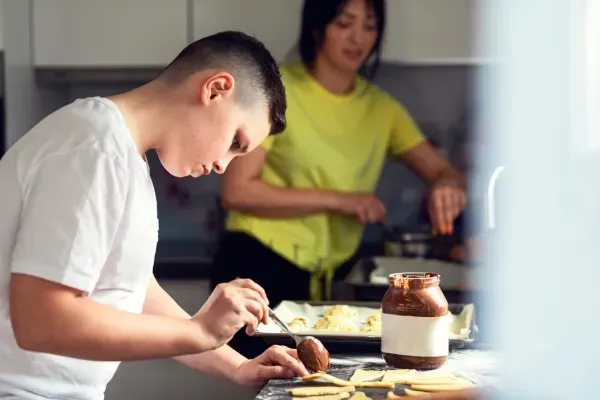
In our busy modern lives, finding meaningful ways to connect as a family can be challenging. Cooking together provides a natural opportunity for families to slow down, work as a team, and create positive shared experiences.
Quality Time Without Screens
Cooking offers precious screen-free time where families can engage in meaningful conversation whilst working towards a common goal. These moments of connection are invaluable for maintaining strong family relationships during the teenage years when young people are naturally becoming more independent.
Sharing Family Traditions and Cultural Heritage
Teaching teenagers to cook family recipes is a beautiful way to pass down cultural traditions and family history. These cooking sessions become opportunities to share stories, explain the significance of certain dishes, and ensure that cherished family recipes continue to the next generation.
Developing Teamwork and Communication Skills
Preparing meals together requires coordination, communication, and collaboration. Teenagers learn to work as part of a team, delegate tasks, and communicate effectively – all valuable skills that serve them well in future relationships and professional environments.
Creating New Traditions
Families often discover that regular cooking sessions become cherished traditions. Whether it’s weekend baking, themed dinner nights, or holiday meal preparation, these shared experiences create lasting memories and strengthen family bonds.
4. Providing a Creative and Therapeutic Outlet
Cooking offers teenagers a wonderful creative outlet that engages multiple senses and provides a refreshing break from academic pressures and digital overload.
Expressing Creativity Through Food
Unlike many school subjects with rigid right-and-wrong answers, cooking encourages experimentation and personal expression. Teenagers can modify recipes, combine flavours in new ways, and develop their own culinary style. This creative freedom is both empowering and enjoyable.
Mindful Activity and Stress Relief
The rhythmic nature of many cooking tasks – chopping vegetables, kneading dough, stirring sauces – can be wonderfully meditative. Cooking provides a mindful activity that helps teenagers disconnect from daily stresses and focus on the present moment.
Sensory Engagement
Cooking engages all the senses in a way that screens and digital activities cannot. The textures of ingredients, aromas of herbs and spices, sounds of sizzling and bubbling, and visual appeal of beautifully prepared food create a rich, multi-sensory experience that is both grounding and satisfying.
Achievement and Instant Gratification
Unlike many teenage pursuits where results may be abstract or delayed, cooking provides immediate, tangible results. There’s instant satisfaction in creating something delicious that can be shared and enjoyed, providing positive reinforcement for their efforts.
5. Teaching Sustainability and Environmental Awareness

Environmental Awareness
Modern teenagers are increasingly conscious of environmental issues, and cooking provides an excellent platform for discussing and practicing sustainable living habits.
Understanding Food Origins and Seasonality
When teenagers cook regularly, they naturally become more aware of where their food comes from. They begin to understand seasonality, appreciate the difference between local and imported produce, and make more informed choices about ingredient sourcing.
Reducing Food Waste
Cooking teaches practical waste reduction skills. Teenagers learn to use leftovers creatively, understand proper food storage, and appreciate the value of ingredients. They discover how to repurpose vegetable scraps for stocks, use overripe fruit in baking, and plan meals to minimise waste.
Making Sustainable Choices
Through cooking, teenagers can explore sustainable food choices such as eating more plant-based meals, choosing seasonal produce, and understanding the environmental impact of different ingredients. These lessons often inspire broader environmental consciousness.
Developing Budgeting Skills
Learning to cook inevitably involves understanding food costs and budgeting. Teenagers who cook regularly develop an appreciation for the true cost of meals and learn to make economical choices that don’t compromise on nutrition or flavour.
6. Building Practical Mathematical and Scientific Skills
Cooking provides an excellent real-world application for mathematical and scientific concepts, making these subjects more relevant and engaging for teenagers.
Applied Mathematics
From measuring ingredients and calculating cooking times to scaling recipes and understanding ratios, cooking reinforces mathematical concepts in practical ways. Teenagers practice fractions, percentages, and unit conversions without even realising they’re doing maths.
Understanding Food Science
Cooking introduces teenagers to basic chemistry and physics principles. They observe how heat transforms ingredients, learn about emulsification in sauces, understand fermentation in bread-making, and discover how different cooking methods affect texture and flavour.
Following Instructions and Processes
Reading and following recipes helps develop important literacy and comprehension skills. Teenagers learn to understand sequential instructions, adapt processes based on available equipment, and troubleshoot when things don’t go according to plan.
7. Preparing for Financial Independence
Teaching teenagers to cook has significant financial benefits that will serve them throughout their adult lives.
Understanding True Food Costs
When teenagers regularly prepare meals from scratch, they develop a realistic understanding of food costs and value. This knowledge helps them make informed decisions about food spending and appreciate the economic benefits of home cooking.
Budget-Friendly Meal Planning
Cooking skills enable teenagers to create nutritious, satisfying meals on limited budgets. They learn to use affordable ingredients creatively, understand the cost-effectiveness of batch cooking, and discover how simple ingredients can create restaurant-quality meals at home.
Reducing Dependence on Convenience Foods
Teenagers who can cook confidently are less likely to rely on expensive takeaways and convenience foods. This independence can result in significant savings, particularly important for students and young adults managing tight budgets.
Getting Started: Practical Tips for Teaching Teenagers to Cook
Start with Their Interests
Begin with dishes your teenager already enjoys eating. If they love pizza, start with homemade pizza bases. If they’re pasta fans, explore different sauce-making techniques. Building on existing preferences creates immediate engagement and success.
Focus on Essential Techniques
Rather than overwhelming them with complex recipes, focus on fundamental cooking techniques that can be applied to many different dishes. Skills like proper knife techniques, basic sautéing, and understanding cooking temperatures are building blocks for countless recipes.
Make It Social
Encourage your teenager to cook with friends or invite them to help prepare meals for family gatherings. Social cooking experiences are often more memorable and enjoyable than solo learning sessions.
Embrace Mistakes as Learning Opportunities
Not every cooking attempt will be successful, and that’s perfectly fine. Use mistakes as learning opportunities to discuss what went wrong and how to improve next time. This approach builds resilience and problem-solving skills.
Provide Quality Tools
Invest in good basic cooking tools that are safe and appropriate for teenage use. Sharp knives (with proper safety instruction), quality pots and pans, and reliable measuring equipment make cooking more enjoyable and successful.
Starting Even Earlier: Building Foundation Skills
Whilst this article focuses on teenagers, it’s worth noting that cooking skills can be developed much earlier. If you have younger children, starting them with age-appropriate kitchen tasks from the early years creates an excellent foundation for more advanced teenage cooking. Our Early Years Cooking Classes help children aged 2½ – 5 years develop fundamental food skills through hands-on exploration, making the transition to teenage cooking much smoother and more natural.
Click here for more information >>
Supporting Your Teenager’s Culinary Journey
If you’re not confident about teaching cooking skills yourself, don’t worry – there are excellent resources available to support your teenager’s culinary education. Professional cooking courses designed specifically for beginners can provide structured learning in a supportive environment.
Our Beginners Cooking Course is specifically designed for young adults who are taking their first steps towards independence, covering essential equipment, fundamental techniques, and 10 must-know recipes that will serve them throughout their adult lives. This comprehensive guide provides the perfect foundation for teenagers to build upon as they develop their culinary confidence and independence.
Click here for more information >>
Conclusion
Teaching teenagers to cook is far more than a practical life skill – it’s an investment in their health, independence, creativity, and future wellbeing. The benefits extend far beyond the kitchen, influencing their relationships with food, their confidence in problem-solving, their ability to care for themselves and others, and their understanding of sustainability and responsibility.
In our increasingly fast-paced world, cooking provides teenagers with an opportunity to slow down, engage their senses, connect with family and friends, and take pride in creating something nourishing and delicious. The skills they develop in the kitchen – from following instructions and managing time to being creative and working as part of a team – will serve them well throughout their lives.
The teenage years are an ideal time to build these cooking foundations. Young people at this age are developing their independence, forming lifelong habits, and preparing for the transition to adult life. By teaching them to cook, we’re giving them tools for better health, greater self-sufficiency, and the confidence to nourish themselves and others throughout their lives.
So next time you’re in the kitchen, invite your teenager to join you. Start simple, be patient with mistakes, and celebrate their successes. You might be amazed at what they can create – and the confidence they’ll gain in the process. The cooking skills you help them develop today will serve them for decades to come, making this one of the most valuable gifts you can give them as they prepare for independent adult life.