Age-Appropriate Kitchen Tasks for Kids | Cooking Together Guide
Cooking Together: Age-Appropriate Kitchen Tasks for Kids
Age-appropriate kitchen tasks for kids from toddlers to teens. Build cooking skills, confidence & family memories together.
Discover age-appropriate kitchen tasks for kids from toddlers to teens. Build cooking skills, confidence and family memories with our complete guide to cooking with children.
Cooking with children is one of the most rewarding ways to spend quality time together whilst teaching valuable life skills. From the moment they can stand on a stool and reach the counter, children can begin their culinary journey through age-appropriate kitchen tasks that build confidence, develop fine motor skills, and foster a lifelong love for healthy eating. We’ve put together some information in this blog, Cooking Together: Age-Appropriate Kitchen Tasks for Kids to help get you started.
Getting kids involved in cooking isn’t just about preparing meals – it’s about creating lasting memories, encouraging independence, and helping them understand where food comes from. Whether you’re a parent looking to engage your little ones or seeking ways to prepare teenagers for independent living, this guide will help you discover the perfect kitchen tasks for every age group.
Different developmental stages offer unique opportunities for children to contribute meaningfully in the kitchen. From washing vegetables as toddlers to mastering complete recipes as teenagers, each age brings new capabilities and exciting possibilities for young chefs to explore.
Under 5’s: First Steps in the Kitchen
The early years are all about exposure and sensory exploration. Children under five can participate in simple, safe kitchen activities that introduce them to cooking concepts without overwhelming them.
Safe Kitchen Tasks for Under 5’s:
Washing fruit and vegetables in a colander
Chopping soft ingredients like bananas or cooked vegetables using child-safe knives
Placing ingredients into mixing bowls
Stirring ingredients in pots and bowls (with supervision)
Tearing lettuce leaves for salads
Sprinkling herbs or cheese onto dishes
At this age, simply watching and being present in the kitchen is incredibly valuable. Children absorb information through observation, learning about different ingredients, kitchen tools, and cooking processes. Even if they’re just sitting nearby whilst you cook, they’re developing an understanding of how meals come together.
The key is keeping tasks simple and supervision close. Focus on activities that engage their senses – feeling different textures, smelling herbs and spices, and tasting ingredients as you go.
Ages 5-7: Building Confidence Through Hands-On Learning
Children aged five to seven have developed better coordination and can take on more complex kitchen tasks. This is an excellent age to introduce basic cooking skills whilst incorporating educational elements.
Kitchen Skills for Ages 5-7:
Stirring, mixing, and combining ingredients
Grating cheese and vegetables (with appropriate graters)
Chopping firmer ingredients with child-safe knives
Weighing and measuring ingredients (perfect for practising maths skills)
Simple baking projects like cakes, biscuits, and muffins
Chopping fruit for smoothies
Making simple bread recipes such as soda bread or no-knead breads
This age group particularly enjoys baking, as it combines creativity with science.
Measuring ingredients helps reinforce mathematical concepts in a practical, enjoyable way. They can learn about fractions through recipe measurements and understand cause and effect through baking chemistry.
Encourage exploration of different textures and flavours. Let them help create shopping lists and choose ingredients at the supermarket, building their understanding of meal planning and ingredient selection.
Ages 8-10: Reading Recipes and Independent Cooking
By ages eight to ten, children can typically read and follow simple recipes independently. This is when cooking becomes less about assistance and more about developing genuine culinary skills.
Advanced Tasks for Ages 8-10:
Reading and following illustrated recipe books
Cooking simple meals independently using hobs or microwaves
Preparing scrambled eggs on toast or porridge
Following multi-step recipes with minimal supervision
Understanding basic food safety principles
Experimenting with familiar dishes and favourite school recipes
Exploring spices and seasonings
Children at this stage often show genuine interest in recipe books and enjoy choosing what to cook. Consider keeping child-friendly cookbooks at their height in the kitchen, encouraging them to browse and select recipes that interest them.
This is also an ideal time to introduce them to dishes they’ve enjoyed at school or with friends. Many children are curious about different cuisines and more adventurous with spices than we might expect. Let them lead their culinary exploration whilst providing guidance on safety and technique.
Ages 11-13: Coordination and Meal Planning
Pre-teens can begin understanding the complexity of meal preparation, including timing different components and creating balanced dishes. This age group is ready for more sophisticated cooking challenges.
Skills for Ages 11-13:
Coordinating cooking times for multiple meal components
Preparing complete pasta dishes with sauces
Combining pre-made elements with fresh ingredients
Understanding flavour combinations and seasoning
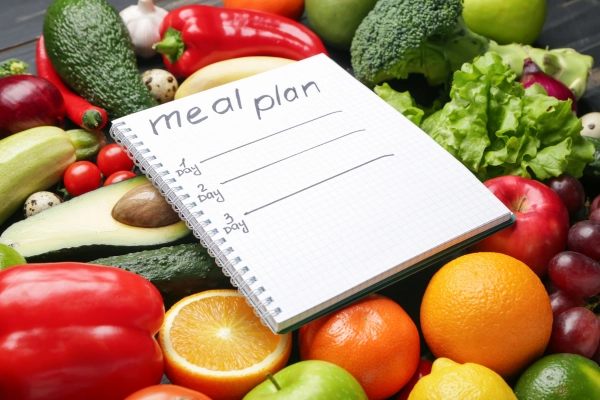
Basic meal planning and grocery list creation
Cooking for family members or friends
A great starter project is pasta dishes, which teach timing, flavour balancing, and presentation. They might combine a tomato sauce with protein like tuna or chicken, cook pasta to the correct texture, and bring everything together in a cohesive meal.
Giving children choice over what they cook significantly increases their enthusiasm. Let them plan a weekly meal or take responsibility for family dinner once a week, building confidence and ownership over their culinary creations.
Ages 14-16: Advanced Techniques and Global Cuisines
Teenagers are ready to tackle advanced cooking techniques and explore diverse cuisines. This is when cooking becomes a genuine life skill that will serve them well into adulthood.
Advanced Skills for Ages 14-16:
Learning proper knife skills and vegetable cuts
Exploring international cuisines and cooking techniques
Understanding food safety, storage, and hygiene principles
Cooking complete meals from planning to presentation
Experimenting with complex flavour profiles and cooking methods
Preparing meals for special occasions or dietary requirements
This age group often responds well to challenges and themed cooking experiences. Consider exploring cuisines from recent holiday destinations or recreating restaurant dishes they’ve enjoyed. This connects cooking to broader cultural experiences and travel memories.
Encourage them to experiment with presentation and plating, developing an eye for how food looks as well as how it tastes. These skills will serve them well whether they’re cooking for themselves at university or impressing friends with dinner parties.
Benefits of Cooking with Children
Beyond the obvious life skills, cooking with children offers numerous developmental benefits:
Educational Benefits:
Mathematics through measuring and timing
Science through understanding cooking processes
Cultural awareness through exploring international cuisines
Reading and following instructions through recipes
Life Skills Development:
Independence and confidence building
Fine motor skill development
Understanding nutrition and healthy eating
Meal planning and budgeting awareness
Family Benefits:
Quality bonding time away from screens
Creating positive food associations
Encouraging adventurous eating
Building family traditions and memories
Getting Started: Tips for Success
Safety First: Always prioritise kitchen safety with appropriate supervision, child-safe tools, and clear boundaries around dangerous equipment.
Start Small: Begin with simple tasks and gradually increase complexity as children develop skills and confidence.
Embrace Mess: Cooking with children is naturally messy. Prepare your space and mindset for spills, flour explosions, and creative interpretations of recipes.
Focus on Fun: While skill development is important, keeping cooking enjoyable ensures children will want to continue learning.
Be Patient: Children work at their own pace and may need multiple attempts to master new skills. Celebrate progress and effort over perfection.
Download our Ultimate Beginner’s Guide to Cooking pdf for essential equipment, recipe ideas and store cupboard essentials for anyone at the start of the cooking journey. Click here >
Recipes – try some of our great recipes – click here >
Conclusion
Cooking with children creates opportunities for learning, bonding, and skill development that extend far beyond the kitchen. By matching tasks to developmental stages, we can ensure children feel successful and engaged whilst building genuine culinary capabilities.
Whether you’re starting with a toddler washing vegetables or guiding a teenager through their first complex recipe, remember that every moment in the kitchen together is an investment in their independence, creativity, and relationship with food.
The kitchen becomes a classroom where children learn practical maths, science, cultural awareness, and life skills whilst creating delicious memories with their families. Start where your child is, celebrate their progress, and watch as they develop into confident, capable cooks who will carry these skills throughout their lives.